🐦 Looking for the Perfect Aviary Mesh Solution?
Discover Huamei's premium stainless steel rope mesh — durable, safe, and built to last.
Get a Quote Now →📧 Or email us directly: info@ropemesh.com
Introduction
📌 Key Takeaways
- Safety First: Aviary mesh protects birds from predators and prevents escapes — stainless steel rope mesh offers the highest level of security.
- Choose the Right Mesh Size: Small birds need 3/4" or smaller mesh; large birds (macaws, cockatoos) need 2" or larger.
- Material Matters: Stainless steel rope mesh outperforms galvanized wire in durability, corrosion resistance, and aesthetics.
- Proper Installation: Secure mesh tightly to the frame, inspect regularly, and repair damage promptly.
- Long-Term Care: Regular cleaning and rust prevention extend the life of your aviary mesh.
For outdoor bird enclosures and large-scale aviaries, our wildlife fencing solutions offer the durability and strength needed for predator protection.
What is Aviary Mesh?
Aviary mesh, as the name suggests, is a specialized type of netting or fencing designed to create safe, secure, and durable enclosures for birds. It's a crucial component of aviaries, whether they're small backyard cages or large-scale zoo exhibits.
Why is Aviary Mesh Important?
Aviary mesh serves several vital purposes:
- Safety and Security: It prevents birds from escaping and protects them from predators, ensuring their well-being.
- Protection from Predators: Aviary mesh acts as a barrier, keeping out hawks, owls, and other predatory animals that pose a threat to birds.
- Optimal Ventilation: The open structure of aviary mesh allows for proper airflow, which is essential for maintaining a healthy environment for birds.
- Easy Visibility: It provides clear visibility, enabling zookeepers and visitors to observe and interact with the birds.
Key Factors to Consider When Choosing Aviary Mesh
When selecting the right aviary mesh, several factors need to be taken into account:
- Bird Species and Size: Different bird species have varying needs, and the mesh size should be chosen accordingly. Smaller birds may require a finer mesh to prevent escapes, while larger birds may benefit from a coarser mesh for better visibility.
- Aviary Size and Design: The size and shape of the aviary will influence the type and amount of mesh needed. Larger enclosures may require a more robust mesh to withstand the weight of birds and potential weather conditions.
- Environmental Conditions: The climate in your area should be considered. If you live in a region with harsh weather, you'll need a mesh that can withstand extreme temperatures, wind, and rain.
- Budget: Aviary mesh comes in various materials and sizes, each with its own price point. It's essential to set a budget before making a purchase to ensure you choose a product that fits your financial constraints.
Why Huamei's Stainless Steel Rope Mesh is the Premium Choice
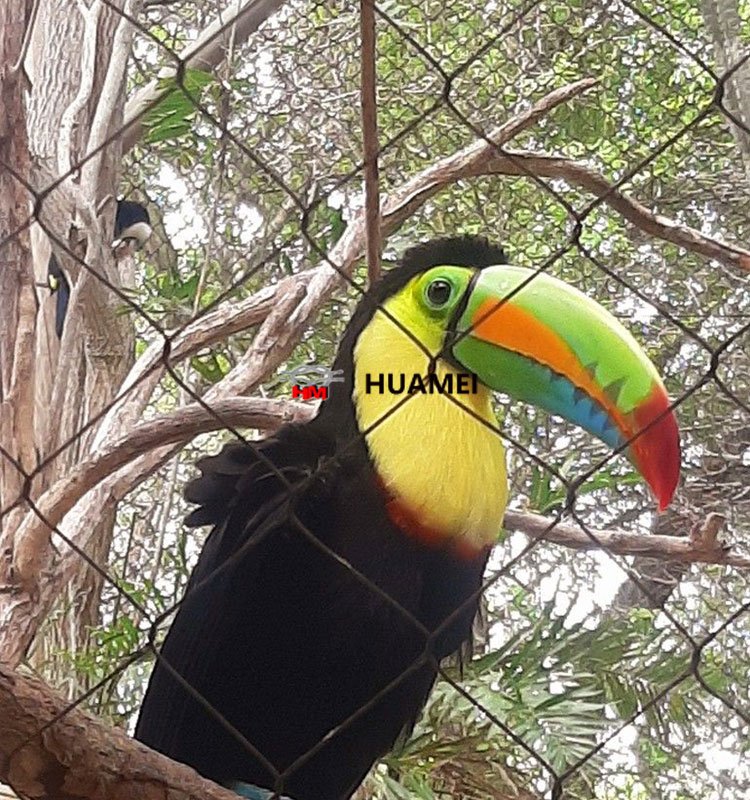
When it comes to aviary mesh, Huamei's stainless steel rope mesh stands out as the industry leader. Unlike galvanized wire or chain link, our stainless steel mesh offers:
- Superior Durability: Resists wear, tear, and bird damage for decades.
- Exceptional Corrosion Resistance: Perfect for outdoor aviaries in any climate.
- Aesthetic Appeal: Sleek, modern appearance that enhances any exhibit.
- Flexibility: Easily conforms to custom aviary shapes and sizes.
Explore our aviary projects to see how leading zoos and bird sanctuaries use Huamei mesh.
Types of Aviary Mesh
Aviary mesh comes in several different types, each with its own unique characteristics and applications:
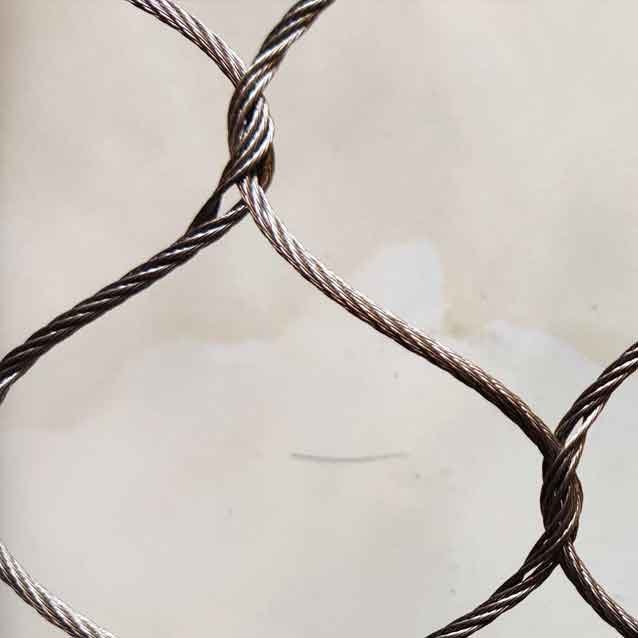
- Stainless Steel Rope Mesh: Known for durability, corrosion resistance, and aesthetic appeal. Ideal for high-end aviaries and zoo exhibits.
- Galvanized Wire Mesh: A more affordable option coated with zinc for rust protection. Suitable for many aviaries but less durable than stainless steel.
- Welded Wire Mesh: Strong and versatile, constructed by welding intersecting wires together.
- Chain Link Fence: Durable and affordable for outdoor aviaries, but gaps may allow small birds to escape.
- Bird Netting: Lightweight and flexible, often used in conjunction with other mesh types for added security.
Choosing the Right Mesh Size for Your Aviary
One of the most important factors to consider when selecting aviary mesh is the mesh size. The mesh size refers to the spacing between the wires or strands of the mesh. Choosing the right mesh size is crucial for ensuring the safety and well-being of your birds.
Understanding Mesh Size
Mesh size is typically measured in inches or millimeters. A smaller mesh size means the wires are closer together, while a larger mesh size means the wires are farther apart.
Factors Affecting Mesh Size Selection
Several factors can influence the mesh size you choose:
- Bird Species and Size: Smaller birds require a finer mesh to prevent them from escaping. Larger birds may benefit from a coarser mesh for better visibility.
- Safety Considerations: If predators are a concern, you may need a finer mesh to deter them.
- Visibility Requirements: A coarser mesh may be preferable for easier observation.
Recommended Mesh Sizes for Different Bird Types
Here are some general recommendations for mesh sizes based on bird species:
- Small birds (parakeets, finches): 3/4-inch or smaller mesh
- Medium birds (cockatiels, lovebirds): 1-inch or 1.5-inch mesh
- Large birds (macaws, cockatoos): 2-inch or larger mesh
It's important to note that these are just guidelines. The best mesh size for your aviary will depend on your specific needs and preferences. Our zoo mesh fence netting is made from 304/316 stainless steel rope, guaranteeing no corrosion after decades outdoors.
Installation Tips for Aviary Mesh
Installing aviary mesh can be a DIY project, but it requires careful planning and execution. Here are some tips to help you get started:
Tools and Materials Needed:
- Aviary mesh
- Staples or screws
- Staple gun or screwdriver
- Measuring tape
- Utility knife
- Safety glasses
- Work gloves
Step-by-Step Installation Guide
- Prepare the Aviary Site: Ensure the area where you plan to install the aviary mesh is clear of any obstructions. Level the ground if necessary.
- Attach the Mesh to the Frame: If you're building a custom aviary, attach the mesh to the frame using staples or screws. Make sure the mesh is taut and secure.
- Securing the Mesh Around the Aviary: If you're installing the mesh around an existing structure, attach it using staples or screws. Be sure to secure the mesh to the top, bottom, and sides of the aviary.
Safety Precautions During Installation
- Wear protective gear: Always wear safety glasses and work gloves.
- Be careful with sharp tools: Handle staples, screws, and utility knives with caution.
- Avoid sharp edges: Ensure there are no sharp edges on the aviary frame that could injure the birds.
By following these tips, you can safely and effectively install aviary mesh for your bird enclosure.
Maintenance and Care of Aviary Mesh
Proper maintenance is essential to ensure the longevity and safety of your aviary mesh.
Regular Inspection
- Check for damage: Inspect the mesh regularly for holes, tears, or loose wires.
- Identify wear and tear: Look for areas where the mesh is starting to show signs of deterioration.
Cleaning and Maintenance
- Remove debris and dirt: Clean the mesh regularly using a mild detergent and soft brush.
- Repair minor damage: Patch small holes promptly using a patching kit or by weaving in new mesh.
Preventing Rust and Corrosion
- Inspect for rust: Check the mesh regularly for signs of rust.
- Apply protective coatings: If necessary, apply a protective coating to prevent rust.
By following these maintenance tips, you can help ensure the long-term health and safety of your aviary mesh.
We make the creative wire mesh with
FAQs About Aviary Mesh
What is the best type of aviary mesh for parrots?
Stainless steel rope mesh is often considered the best option for parrots due to its durability, corrosion resistance, and aesthetic appeal.
How often should I replace my aviary mesh?
The lifespan varies depending on the type of mesh and environmental conditions. Inspect regularly and replace if damaged or deteriorated.
Can I use aviary mesh for outdoor enclosures?
Yes, but choose a mesh suitable for outdoor conditions — stainless steel or galvanized wire mesh are excellent choices.
Is aviary mesh expensive?
Cost varies by material and size. It's a worthwhile investment for the safety and security of your birds.
How do I choose the right mesh size for my small birds?
For small birds like parakeets and finches, a mesh size of 3/4-inch or smaller is recommended.
Can I install aviary mesh myself?
Yes, but follow manufacturer instructions carefully and take safety precautions. Consider hiring a professional if unsure.
What are the benefits of using stainless steel rope mesh for my aviary?
- Durability: Highly resistant to wear and tear.
- Corrosion resistance: Resists rust even in harsh weather.
- Aesthetic appeal: Sleek and modern appearance.
- Safety: Protects birds from predators.
How can I protect my aviary mesh from predators?
- Choose a sturdy mesh: Opt for a mesh that is difficult for predators to penetrate.
- Install additional security measures: Consider electric fencing or other deterrents.
- Monitor your aviary: Keep a close eye and report any signs of predator activity.
Is aviary mesh easy to maintain?
Yes, regular cleaning and inspections help ensure its longevity and safety.
What is the difference between welded wire mesh and chain link fence for aviaries?
Welded wire mesh is stronger and more versatile, while chain link is more traditional and affordable. For smaller birds, welded wire or stainless steel mesh is recommended.
🦜 Ready to Build the Perfect Aviary?
Get expert advice and premium stainless steel rope mesh for your bird enclosure.
Contact Us for a Quote →📧 Or email us directly: info@ropemesh.com
📋 Summary
Choosing the right aviary mesh is essential for creating a safe, secure, and enriching environment for your birds. Whether you're building a small backyard aviary or a large-scale zoo exhibit, factors like mesh size, material, and installation quality directly impact the well-being of your feathered friends.
For the best combination of durability, safety, and aesthetics, Huamei's stainless steel rope mesh is the premium choice trusted by leading zoos and bird sanctuaries worldwide. Combined with regular maintenance and thoughtful design, your aviary can become a true sanctuary for birds.
🚀 Ready to get started? Contact Huamei today for customized aviary mesh solutions.
🔗 Related Applications
Zoo Enclosures | Wildlife & Deer Fencing | Exotic Bird & Peacock Cages | Agricultural & Farm Fencing | Safety & Industrial Netting | Architectural Cable Mesh
📖 Related Articles & Projects
- • Stainless Rope Wire Mesh for Aviaries and Bird Screens
- • Ultimate Guide to Bird Netting for Roofs: Cost, Installation, and Benefits
- • Net for Birds: Exploring Aviary Mesh and More
- • Perfect Netting for Your Aviary — Essential Guide to Choosing
- • The Ultimate Guide to Mesh Bird Cages: Your Feathered Friend's Ideal Home
- • Hawk Netting: Protect Your Property from Birds and Animals
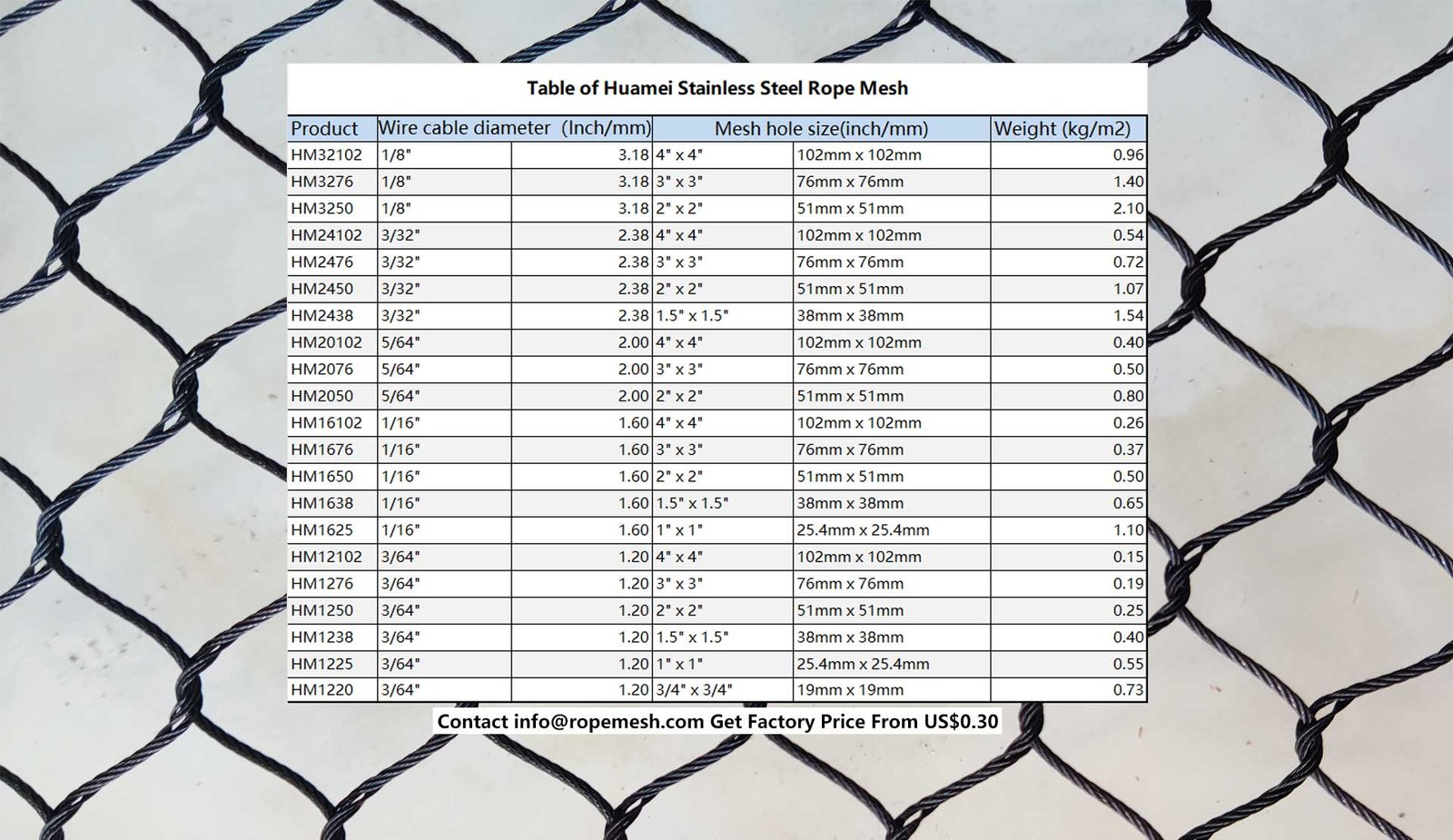
Common Specifications of Aviary Mesh
| ID | Wire Dia. (inch) | Wire Dia. (mm) | Mesh (inch) | Mesh (mm) |
|---|---|---|---|---|
| HM3250 | 1/8 | 3.2 | 2 x 2 | 50 x 50 |
| HM2450 | 3/32 | 2.4 | 2 x 2 | 50 x 50 |
| HM2050 | 5/64 | 2.0 | 2 x 2 | 50 x 50 |
| HM1650 | 1/16 | 1.6 | 2 x 2 | 50 x 50 |
| HM1250 | 3/64 | 1.2 | 2 x 2 | 50 x 50 |
| HM2438 | 3/32 | 2.4 | 1.5 x 1.5 | 38 x 38 |
| HM2038 | 5/64 | 2.0 | 1.5 x 1.5 | 38 x 38 |
| HM1638 | 1/16 | 1.6 | 1.5 x 1.5 | 38 x 38 |
| HM1238 | 3/64 | 1.2 | 1.5 x 1.5 | 38 x 38 |
| HM1625 | 1/16 | 1.6 | 1 x 1 | 25 x 25 |
| HM1225 | 3/64 | 1.2 | 1 x 1 | 25 x 25 |
📋 Note: Custom sizes and materials available upon request. Contact us for more information.