🦜 Ready to Build the Perfect Aviary?
Explore premium stainless steel rope mesh solutions for exotic bird cages at ropemesh.com — durable, safe, and built to last.
Browse Cage Solutions →📧 Or email us: info@ropemesh.com
Introduction
If you're shopping for exotic-bird-cages, you already know that your feathered companion deserves more than just a place to perch—they need a sanctuary. The right cage supports physical health, mental stimulation, and social interaction, all of which are critical for intelligent species like parrots, macaws, and African greys. A poorly chosen cage, on the other hand, can lead to boredom, stress, feather plucking, and even aggression.
This guide covers everything European and American bird owners need to know: sizing by species, bar spacing safety, material selection (including why stainless steel is the gold standard), cage placement, enrichment setup, and maintenance. By the end, you'll know exactly how to choose the right exotic bird cage for your species—and what to avoid.
📌 Key Takeaways
- Size first – Choose the largest cage your space and budget allow. Horizontal space matters more than height.
- Bar spacing is safety – Match spacing to your bird's species to prevent escapes and injuries.
- Stainless steel wins – Durable, non-toxic, rust-resistant, and easy to clean—it's the best long-term investment.
- Enrichment is essential – Perches, toys, and foraging opportunities prevent boredom and behavioral issues.
- Placement matters – Social, draft-free, well-lit areas keep your bird happy and healthy.
- Clean regularly – Daily spot-cleaning and weekly deep cleaning prevent bacterial growth.
- Avoid common mistakes – Round cages, wrong bar spacing, and toxic materials are all pitfalls to avoid.
Understanding Your Exotic Bird's Cage Requirements
How to Determine the Right Cage Size for Your Bird Species
One of the most common questions is "what size exotic bird cage do I need for a macaw" —and for good reason. Size is arguably the most critical factor in choosing exotic-bird-cages. A cage that's too small leads to stress, boredom, and behavioral problems.
| Bird Category | Species Examples | Minimum Cage Size (W×D×H) |
|---|---|---|
| Small | Finches, canaries, parrotlets | 18″ × 18″ × 24″ |
| Medium | Cockatiels, conures, quakers | 24″ × 24″ × 30″ |
| Large | African greys, Amazons, eclectus | 36″ × 24″ × 48″ |
| Extra-Large | Macaws, cockatoos | 40″ × 30″ × 60″ |
The golden rule: The cage should be at least twice as big as your bird's wingspan in both width and height. And remember—horizontal space matters more than height because birds fly horizontally, not vertically.
Choosing the Right Bar Spacing for Safety
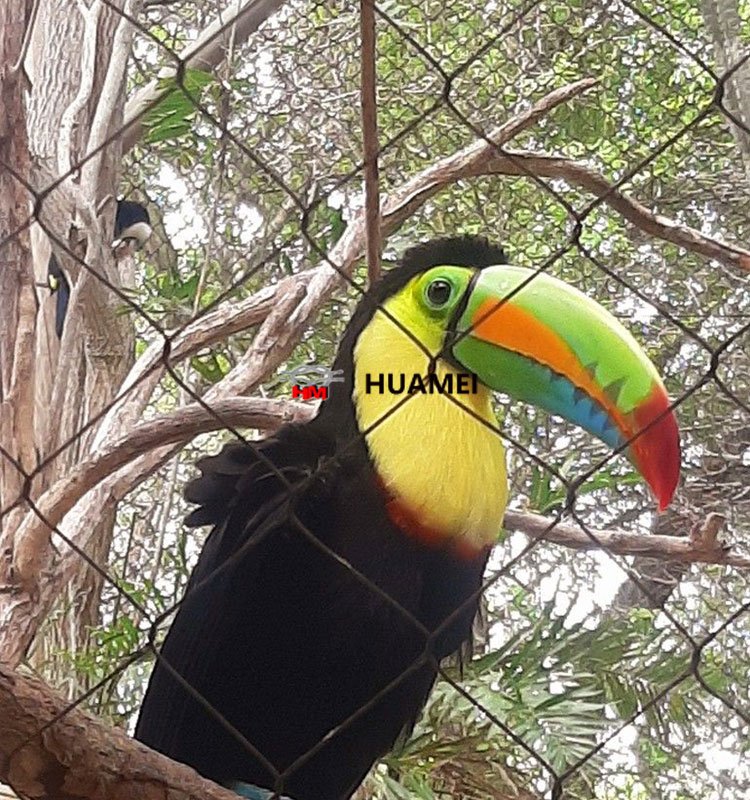
When evaluating exotic-bird-cages, bar spacing is a non-negotiable safety feature. Incorrect spacing can lead to escapes, head entrapment, or serious injuries.
| Bird Size | Safe Bar Spacing |
|---|---|
| Small birds | ⅜″ to ½″ |
| Medium birds | ½″ to ¾″ |
| Large birds | ¾″ to 1″ |
| Extra-large birds | 1″ to 1.5″ |
The rule: Bar spacing must always be less than the distance between your bird's eyes. If a bird can fit its head through the bars, it can get stuck—and that's an emergency waiting to happen.
Cage Materials: What to Look For and What to Avoid
Best Materials for Exotic Bird Cages
Not all exotic-bird-cages are created equal. Material choice directly impacts durability, safety, and ease of cleaning.
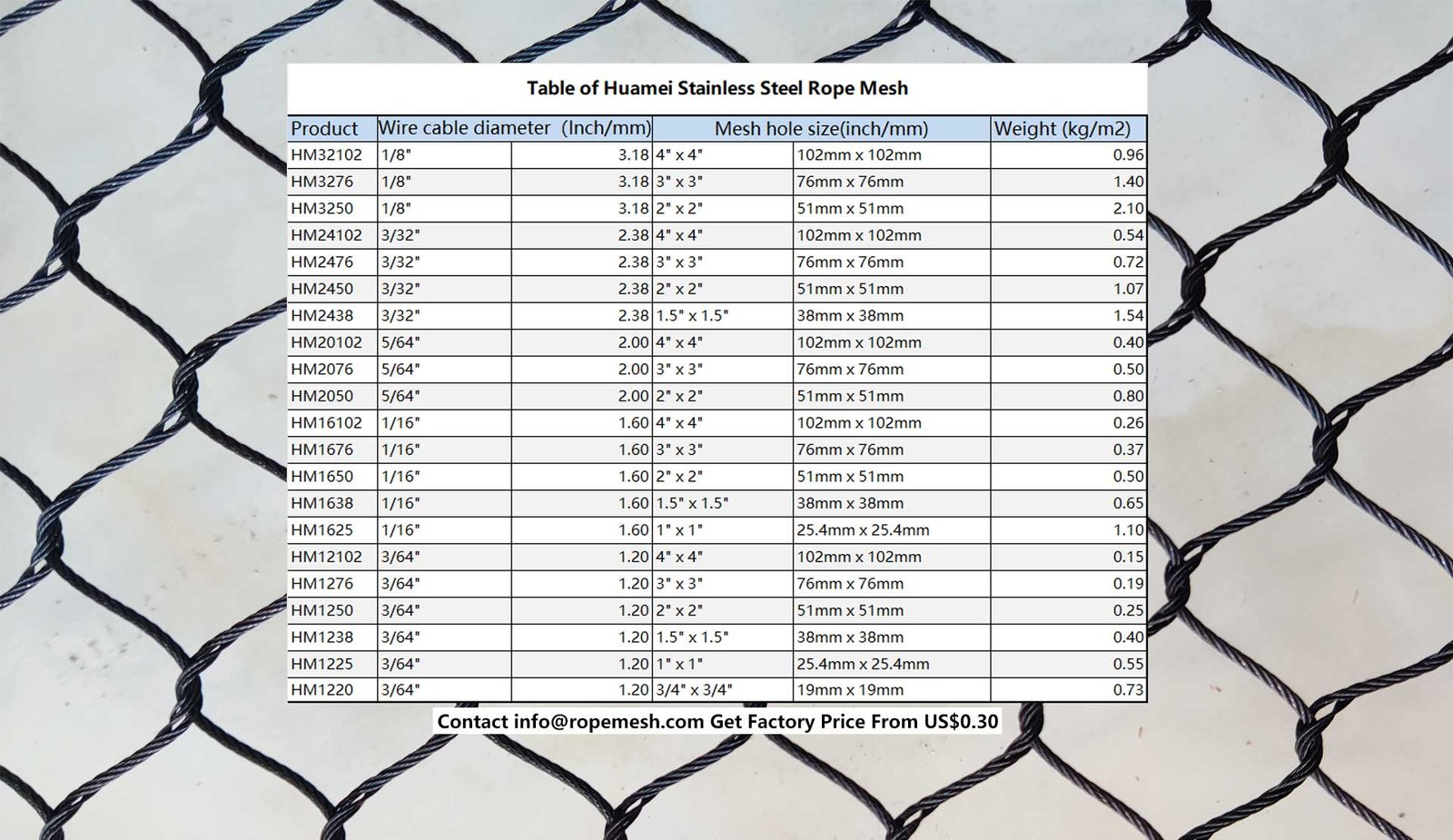
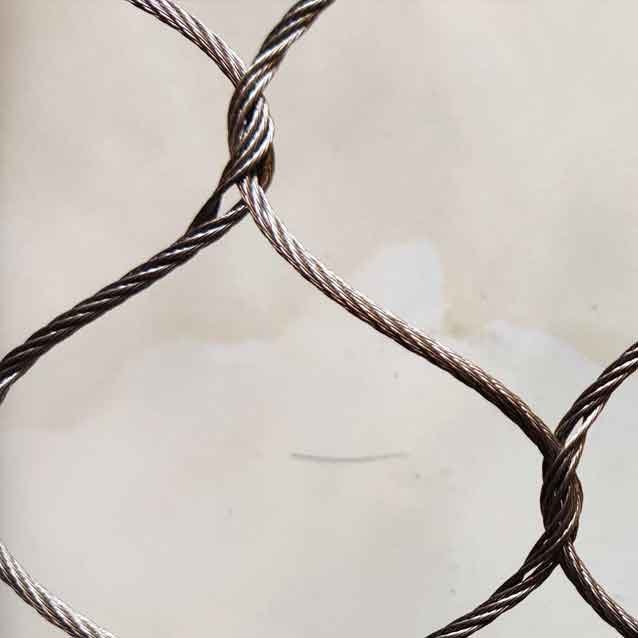
- Stainless Steel – The gold standard. Durable, non-toxic, rust-resistant, and easy to disinfect. Stainless steel cages maintain structural integrity even under rigorous use and resist corrosion from moisture and cleaning routines. As noted by industry experts, stainless steel rope mesh from ropemesh.com offers exceptional longevity.
- Powder-Coated Iron – Affordable and safe when non-toxic powder coating is used. However, chipped paint can expose bare metal that may rust.
- Aluminum – Lightweight and rust-proof, ideal for larger cages that need to be moved.
When shopping for exotic-bird-cages, look for non-toxic powder coating on painted cages, and prioritize stainless steel for longevity.
Materials to Avoid
- Cheap wire cages that bend easily or have toxic coatings
- Antique or vintage cages—often too small, improperly shaped, or made with unsafe materials (lead paint is a real risk)
- Wood cages unless specifically treated with bird-safe, non-toxic finishes
For zoo bird exhibits and large-scale aviary projects, explore our zoo enclosure solutions designed for professional zoological parks.
Essential Cage Setup: Creating a Stimulating Habitat
Perches: The Foundation of Your Bird's Daily Comfort
Perch variety is critical for foot health. In the wild, birds land on branches of different diameters and textures—your cage should replicate that.
- Natural wood perches – Mimic tree branches and help prevent arthritis
- Rope perches – Provide softness and climbing opportunities
- Variable diameters – Exercise different foot muscles
What to avoid: Sandpaper-covered perches can harm your bird's feet.
Toys and Enrichment for Mental Stimulation
Avian enrichment isn't optional—it's essential. Exotic birds are highly intelligent and need mental stimulation to prevent boredom, feather plucking, and aggression.
Recommended toy types:
- Chewable toys made from untreated wood or natural fibers
- Foraging toys that mimic wild instincts
- Interactive puzzles, swings, and climbing structures
Pro tip: Rotate toys regularly to maintain engagement. A flight cage with plenty of horizontal space allows for short flights and more natural movement.
Food and Water Station Placement
Position dishes at a comfortable height for your bird—not too low (droppings contamination) and not too high (straining to reach). Clean food and water dishes daily to prevent bacterial growth. Choose our zoo mesh roll for non-toxic, lead-free containment that's safe for animals who climb and chew.
Cage Placement: Where to Put Your Exotic Bird Cage
Ideal Locations in Your Home
"Where to place exotic bird cages in your home" is a question every new bird owner asks.
- Well-lit areas – Avoid direct sunlight but provide natural light
- Draft-free spots – Away from air vents and windows
- Eye-level placement – Birds feel included when they're at family eye level
- Social areas – Living rooms are great for interaction
Locations to Avoid
- Kitchens – Fumes from non-stick cookware can be lethal to birds
- Areas with predator views – Seeing outdoor predators through windows causes chronic stress
- Excessively noisy zones – Constant loud noise stresses birds
We make the creative wire mesh with
Maintenance and Hygiene: Keeping Your Exotic Bird Healthy
Daily Cleaning Tasks
- Replace food and water
- Remove droppings and soiled bedding
- Spot-clean uneaten food to prevent bacterial growth
Weekly Deep Cleaning
- Wash perches, toys, and cage surfaces with bird-safe disinfectants
- Change cage liners or substrate
- Disinfect all surfaces inside and around the cage
- Inspect for wear, broken parts, or loose security
Must-Have Cleaning Features in a Cage
| Feature | Why It Matters |
|---|---|
| Slide-out tray | Quick waste removal without moving the bird |
| Removable grate | Prevents direct contact with droppings |
| Rust-resistant materials | Stainless steel is easy to disinfect and lasts longer |
A slide-out tray is one of the most practical features for daily maintenance.
Common Mistakes to Avoid When Buying Exotic Bird Cages
- Choosing a cage that looks good but is too small – Always size up when in doubt.
- Overlooking bar spacing requirements – This is a safety issue, not a suggestion.
- Buying round cages – Rectangular cages provide better security and more usable space.
- Forgetting tail length – Long-tailed birds (like macaws) need extra height.
- Placing the cage in the wrong location – Kitchens, drafts, and direct sun are all problems.
CONCLUSION
Choosing the right exotic-bird-cages is one of the most important decisions you'll make as a bird owner. The right cage supports your bird's physical health, mental wellbeing, and overall happiness. Focus on size, bar spacing, and non-toxic materials—and don't forget enrichment and proper placement. Whether you're looking for best stainless steel exotic bird cages for large parrots or trying to figure out how much a custom exotic bird cage costs, taking the time to research pays off in a thriving, joyful companion.
For premium materials that stand the test of time, stainless steel rope mesh from ropemesh.com offers durability, corrosion resistance, and safety that exotic birds deserve. Invest wisely—your bird's quality of life depends on it.
FAQs About Aviary Mesh
What size cage do I need for an African grey parrot?
African greys require a minimum cage size of 36″ × 24″ × 48″. Many experts recommend going even larger—closer to 48″ × 36″ × 30″ for optimal comfort and movement. The cage should allow the bird to fully extend its wings and move freely without touching the sides.
Is stainless steel or powder-coated better for exotic bird cages?
Stainless steel is widely considered the superior choice for its durability, rust-resistance, and ease of cleaning—lasting 15 years or more with proper care. Powder-coated iron is more affordable and safe when non-toxic paint is used. Both are viable options, but stainless steel is the better long-term investment, especially for large, powerful birds that can damage weaker materials.
How often should I clean my exotic bird's cage?
Daily tasks include replacing food and water, removing droppings, and spot-cleaning uneaten food. A thorough deep clean—washing all perches, toys, and cage surfaces with bird-safe disinfectants—should be done weekly. Regular cleaning is essential because bird lungs are highly sensitive to bacteria, mold, and respiratory irritants.
Can I keep my exotic bird cage outdoors?
Yes, but with precautions. Outdoor aviaries require weatherproof materials like stainless steel or heavy-duty powder-coated metal. The cage must be predator-proof with secure mesh and a covered roof. Stainless steel rope mesh is an excellent choice for outdoor enclosures because it resists corrosion and maintains structural integrity in harsh conditions. However, most exotic birds do better indoors with controlled temperatures.
What's the most important feature to look for in an exotic bird cage?
While multiple factors matter, size is arguably the most critical. A cage that is too small leads to stress, boredom, feather plucking, and aggression. Second to size is bar spacing—incorrect spacing can lead to escapes or serious injuries. Invest in the largest, safest cage your space and budget allow. Stainless steel construction from trusted suppliers like ropemesh.com ensures durability and safety for years to come.
📋 Executive Summary
Choosing the right exotic-bird-cages isn't just about aesthetics—it's about your bird's physical health, mental wellbeing, and lifespan. This guide covers everything from species-specific sizing and bar spacing to material selection (with stainless steel emerging as the gold standard), cage placement, enrichment setup, and maintenance routines. Whether you're housing a macaw, African grey, or cockatoo, the right cage prevents behavioral issues, ensures safety, and creates a thriving environment. Key takeaway: prioritize size, bar spacing, and non-toxic materials—your bird's quality of life depends on it.
🚀 Ready to get started? Explore premium stainless steel mesh solutions at ropemesh.com.
🔗 Related Applications
Zoo Enclosures | Aviary Mesh & Bird Netting | Wildlife & Deer Fencing | Agricultural & Farm Fencing | Safety & Industrial Netting | Architectural Cable Mesh
📖 Related Articles & Projects