🔒 Ready to Build a Safer, More Natural Zoo Enclosure?
Discover how Huamei's premium stainless steel rope mesh can bring your enclosure design to life.
Get a Quote Now →📧 Or email us directly: info@ropemesh.com
Introduction
📌 Key Takeaways
- Ethology-Driven Design: Understanding natural behaviors is the foundation of effective zoo enclosure design, directly impacting animal welfare and conservation success.
- Space + Complexity = Well-being: Adequate space combined with habitat complexity (climbing structures, water features, hiding spots) reduces stress and encourages natural behaviors.
- Safety is Non-Negotiable: Secure barriers and high-quality materials like stainless steel rope mesh protect both animals and visitors while ensuring long-term durability.
- Enrichment is Essential: Providing mental and physical stimulation through toys, puzzles, and foraging opportunities prevents boredom and promotes psychological health.
- Sustainability & Education: Modern zoos balance conservation, visitor education, and sustainable practices — with Huamei's mesh solutions supporting all three goals.
Zoo Enclosures: More Than Just a Home
Imagine a world where wild animals can roam freely, just as they do in their natural habitats. While we can't replicate the vastness and diversity of the wild, we can create spaces that closely resemble their natural homes. These spaces are called zoo enclosures.
Zoo enclosures are more than just cages; they're carefully designed environments that play a crucial role in animal welfare and conservation. They provide a safe and stimulating habitat for animals, allowing them to exhibit their natural behaviors and contribute to the preservation of their species.
Building a successful zoo enclosure requires careful planning, consideration of animal needs, and adherence to ethical guidelines. By understanding the importance of naturalistic enclosures and the key factors involved in their design, we can create spaces that truly benefit both animals and visitors.
Huamei's Mesh Solutions for Modern Zoo Enclosures
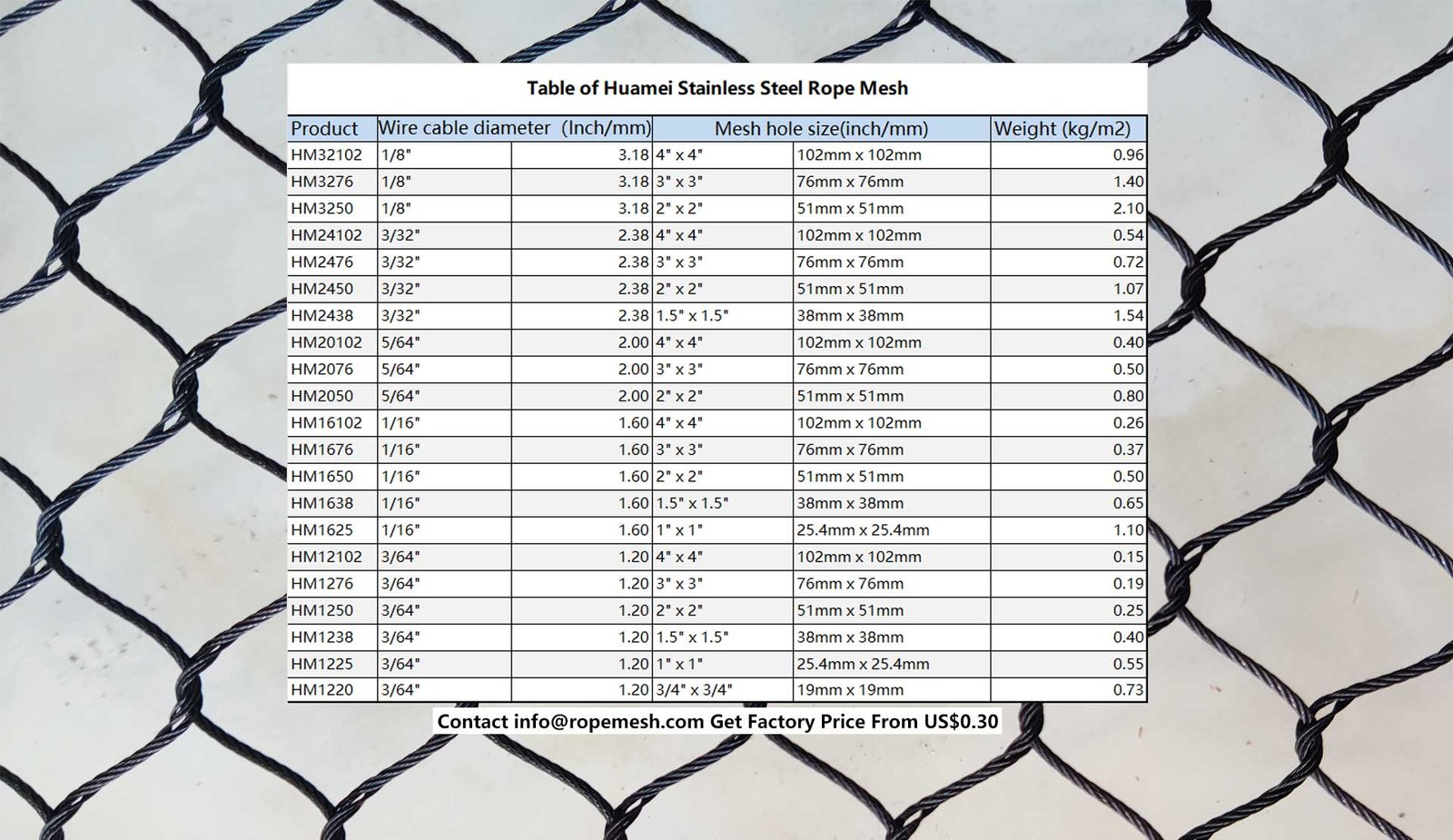
When it comes to choosing the right materials for zoo enclosures, stainless steel rope mesh stands out as the industry gold standard. At Huamei, we specialize in providing high-quality, durable, and aesthetically pleasing mesh solutions that meet the rigorous demands of modern zoological parks.
Our stainless steel rope mesh offers exceptional strength-to-weight ratio, corrosion resistance, and visibility — ensuring both animal safety and an immersive visitor experience. Whether you're designing enclosures for primates, carnivores, or birds, Huamei provides customized solutions tailored to your species-specific requirements.
Explore more of our zoo enclosure projects to see how leading zoos worldwide are transforming their exhibits with Huamei mesh.
Understanding Animal Behavior and Needs
Ethology: The Science of Animal Behavior
To create optimal zoo enclosures, it's essential to understand the behaviors and needs of the animals that will inhabit them. This is where ethology, the study of animal behavior, comes into play. By observing and analyzing animal behavior, we can gain valuable insights into their preferences, social interactions, and environmental requirements.
Natural Behaviors and Enrichment
Animals have evolved to exhibit specific behaviors in their natural habitats. These behaviors are essential for their physical and mental well-being. In zoo enclosures, it's crucial to provide opportunities for animals to engage in these natural behaviors. This can include activities like foraging, climbing, swimming, and social play.
Enrichment is a key strategy for stimulating animals' minds and bodies. It involves providing animals with a variety of activities, toys, and challenges that encourage them to explore, problem-solve, and interact with their environment. By incorporating enrichment into zoo enclosures, we can help prevent boredom and stress-related behaviors.
Species-Specific Needs
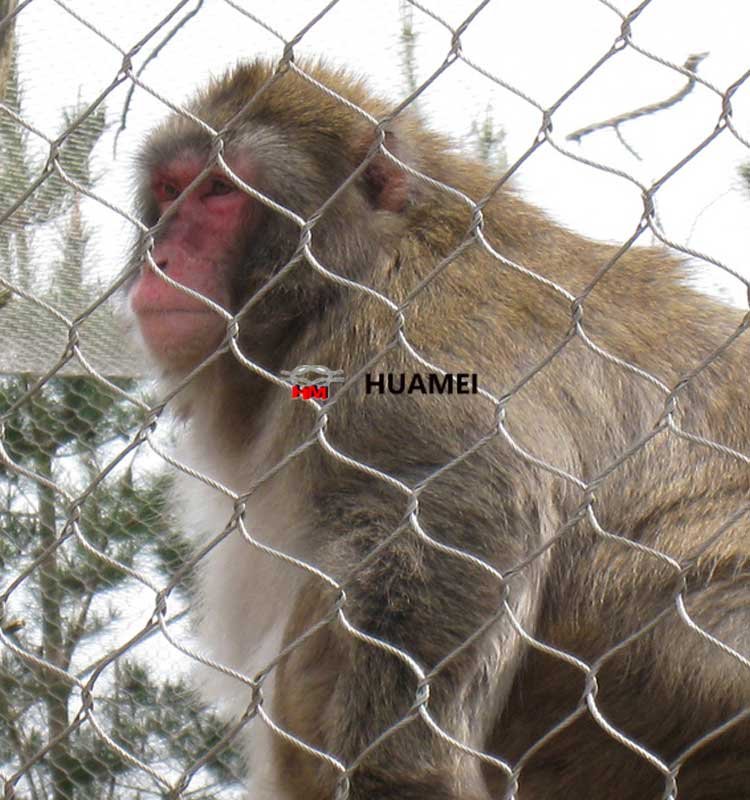
Every animal species has unique requirements when it comes to their living environment. For example, primates may need social interaction and climbing opportunities, while carnivores may require large spaces for hunting and stalking. Understanding these species-specific needs is essential for designing enclosures that meet the animals' physical and psychological requirements. Huamei's mesh solutions are engineered to accommodate these diverse needs, offering flexible configurations for different species.
Social Behavior and Group Dynamics
Many animals are social creatures that thrive in groups. Understanding the social behavior and group dynamics of a species is crucial for creating appropriate enclosure configurations. For example, some animals may need to be housed in pairs or family groups, while others may prefer solitary living. Failure to consider social factors can lead to stress, aggression, and other behavioral problems.
Enclosure Design Principles
Space Requirements
One of the most critical factors in zoo enclosure design is space. Animals need sufficient room to move around, explore, and exhibit their natural behaviors. The amount of space required will vary depending on the species, size, and social structure. For example, large carnivores like tigers or lions will need more space than smaller animals like rodents or reptiles.
Habitat Complexity and Enrichment
A complex and stimulating environment can significantly enhance the well-being of zoo animals. By incorporating a variety of habitat features, such as climbing structures, water bodies, and hiding places, we can create enclosures that mimic natural habitats. These features can also be used to implement enrichment strategies, providing animals with mental and physical stimulation.
The choice of mesh material plays a vital role here. Huamei's flexible rope mesh allows for creative, complex designs that integrate seamlessly with natural elements like rocks, trees, and artificial climbing structures, offering both safety and visual appeal.
Safety and Security
Ensuring the safety and security of both animals and visitors is paramount in zoo enclosure design. This involves implementing measures to prevent animals from escaping, protecting visitors from potential hazards, and providing a secure environment for zoo staff. Barriers, fencing, and other safety features should be carefully designed and maintained to minimize risks.
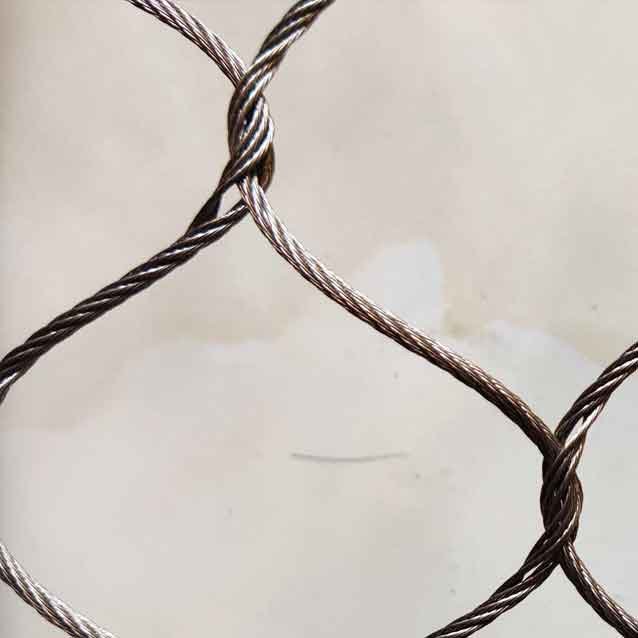
Huamei's stainless steel rope mesh is engineered with safety as a top priority. Its high tensile strength, non-slip surface, and corrosion-resistant properties make it an ideal choice for long-term, secure enclosures. Learn more about our safety features →
Environmental Factors
Environmental factors such as temperature, humidity, and lighting can have a significant impact on animal health and well-being. It's essential to create enclosures that provide suitable environmental conditions for the species being housed. This may involve temperature control systems, humidity regulation, and appropriate lighting to simulate natural day-night cycles.
For bird exhibits and aviary applications, explore our comprehensive aviary mesh guide to find the perfect mesh for your feathered friends.
Visitor Experience and Education
Engaging Exhibits and Displays
Zoo enclosures should not only provide a suitable habitat for animals but also offer a captivating and educational experience for visitors. Engaging exhibits and displays can help visitors connect with the animals and learn about their natural history and conservation status. These exhibits can include interactive elements, informative signage, and immersive experiences.
The transparency and aesthetic quality of Huamei's rope mesh allow for unobstructed viewing, creating a more intimate and engaging visitor experience while maintaining a natural aesthetic.
Interpretive Signage and Education Programs
Interpretive signage plays a vital role in conveying information to visitors. Well-designed signage can help educate visitors about the animals, their habitats, and the conservation challenges they face. In addition to signage, zoos can offer education programs, such as guided tours, workshops, and presentations, to provide visitors with a deeper understanding of animal welfare and conservation.
Accessibility and Inclusion
Zoos should strive to create accessible and inclusive environments for all visitors. This includes ensuring that enclosures, exhibits, and facilities are accessible to individuals with disabilities. By providing ramps, elevators, and other accommodations, zoos can make their facilities accessible to a wider audience.
Sustainability and Conservation
Zoos have a responsibility to promote sustainability and conservation. This can be achieved through various initiatives, such as reducing waste, conserving water, and supporting sustainable practices. Additionally, zoos can play a role in raising awareness about environmental issues and inspiring visitors to take action to protect wildlife and their habitats.
Zoo planners trust our zoo mesh supplier for its sleek look and unmatched resistance to claw marks and impacts.
Case Studies and Best Practices
Successful Zoo Enclosure Examples
There are numerous examples of zoos that have implemented innovative and successful enclosure designs. One such example is the San Francisco Zoo, which has a reputation for its naturalistic enclosures and commitment to animal welfare. The zoo's African savanna exhibit, for instance, provides a realistic habitat for a variety of African species, including zebras, giraffes, and lions.
Another notable example is the Woodland Park Zoo in Seattle, Washington. The zoo's Gorilla Dome is a state-of-the-art enclosure that provides gorillas with ample space to climb, play, and socialize. The enclosure's design incorporates natural elements, such as trees and rocks, to create a stimulating environment.
Many of these leading zoos have chosen Huamei's mesh solutions for their durability and aesthetic flexibility. View more of our zoo enclosure case studies →
Lessons Learned and Future Trends
While many zoos have made significant strides in enclosure design, there are always opportunities for improvement. By studying case studies and analyzing past projects, zoos can learn from the successes and failures of others. This can help them identify best practices, avoid common pitfalls, and stay ahead of emerging trends.
As technology continues to advance, we can expect to see new and innovative approaches to zoo enclosure design. For example, the use of virtual reality and augmented reality can provide visitors with immersive experiences and enhance their understanding of animal behavior. Additionally, advancements in artificial intelligence and data analytics can help zoos optimize enclosure design and improve animal welfare.
Frequently Asked Questions
What is the ideal size for a zoo enclosure?
The ideal size for a zoo enclosure depends on the species of animal, their social structure, and their natural behaviors. However, it is generally recommended to provide as much space as possible to allow animals to roam freely and exhibit their natural behaviors.
How can I create a more naturalistic environment in my zoo enclosure?
To create a more naturalistic environment, incorporate elements that mimic the animals' natural habitats. This can include incorporating natural materials like rocks, trees, and plants, as well as providing opportunities for animals to forage, climb, and explore. Using high-quality mesh like Huamei's stainless steel rope mesh allows for seamless integration with these natural elements.
What are some effective enrichment techniques for animals?
Effective enrichment techniques include providing animals with toys, puzzles, treats, and opportunities for social interaction. You can also create foraging opportunities by hiding food or treats in different parts of the enclosure.
How can I ensure the safety of both animals and visitors in my zoo enclosure?
To ensure safety, implement measures such as secure fencing, barriers, and emergency procedures. Regularly inspect enclosures for potential hazards and provide training for staff on safety protocols. Huamei's mesh is designed with these safety considerations in mind, offering robust, long-lasting protection.
What is the role of zoo enclosures in conservation?
Zoo enclosures play a crucial role in conservation by providing a safe and stimulating environment for animals. They can also help raise awareness about conservation issues and inspire visitors to take action to protect wildlife and their habitats.
🏗️ Start Your Zoo Enclosure Project Today
Get expert advice and premium mesh solutions tailored to your needs.
Contact Us for a Quote →📧 Or email us directly: info@ropemesh.com
📋 Summary
Designing ethical and sustainable zoo enclosures requires a delicate balance of animal welfare, safety, visitor engagement, and environmental responsibility. By applying principles from ethology and prioritizing species-specific needs, zoos can create habitats that truly enrich the lives of their animals.
High-quality materials like stainless steel rope mesh play a pivotal role in achieving these goals — offering unmatched durability, safety, and aesthetic flexibility. When combined with thoughtful enrichment strategies and educational exhibits, these enclosures become powerful tools for conservation awareness and visitor inspiration.
🚀 Ready to bring your zoo enclosure project to life? Contact Huamei today for expert guidance and premium mesh solutions tailored to your needs.
🔗 Related Applications
Aviary Mesh & Bird Netting | Wildlife & Deer Fencing | Exotic Bird & Peacock Cages | Agricultural & Farm Fencing | Safety & Industrial Netting | Architectural Cable Mesh
📖 Related Articles & Projects
- • Zoo Mesh: The Essential Building Block for Wildlife Enclosures
- • Unmatched Durability: Stainless Steel Rope Mesh for Safe Animal Enclosures
- • Best Animal Barrier Fences: Find the Perfect Solution for Your Needs
- • The Essential Guide to Animal Netting in Zoo Enclosure Building
- • The Ultimate Guide to Stainless Steel Rope Mesh for Zoo Enclosures
- • Primate Mesh Habitat Design: A Practical Builder's Guide