🔒 Need Farm Fencing That Lasts?
Get a free quote on stainless rope mesh fencing—built for American farms.
Get a Quote Now →📧 Or email us directly: info@ropemesh.com
📋 Executive Summary
Farm fencing is the backbone of any successful agricultural operation—yet choosing the wrong material leads to costly repairs, escaped livestock, and crop damage. This guide breaks down exactly how to choose the right farm fencing for your livestock, terrain, and budget. From woven wire and high-tensile options to innovative stainless rope mesh, we compare durability, safety, and long-term value. Whether you're protecting cattle, horses, or crops, discover the fencing solution that delivers security without the constant upkeep.
Introduction
Every farmer knows that farm fencing is more than just a boundary—it's the first line of defense for your livestock, crops, and equipment. A well-constructed fence protects animals from predators, prevents costly escapes, and keeps wildlife from damaging your fields. But with so many options available, choosing the right farm fencing can feel overwhelming.
The reality is that farm fencing is a significant investment. Whether you're managing a large cattle operation or a small homestead, the wrong choice leads to constant repairs, escaped animals, and wasted money. That's why understanding your options—from traditional barbed wire to modern stainless rope mesh—is essential for long-term success.
For wildlife protection on farms and ranches, our wildlife fencing solutions provide effective predator control and habitat protection.
📌 Key Takeaways
- Match fencing to your livestock—cattle need durable barriers; sheep and goats require tighter mesh to prevent escapes.
- Stainless rope mesh outperforms traditional materials—it resists rust, rot, and corrosion, lasting years longer than wood or barbed wire.
- High-tensile fencing offers excellent longevity for large perimeters with minimal maintenance.
- Electric fencing is the top choice for rotational grazing—portable, cost-effective, and highly adaptable.
- Long-term value beats upfront savings—investing in premium materials reduces replacement and repair costs over time.
How to Choose a Farm Fence: Key Factors to Consider
Matching the Fence to Your Livestock
Different animals have different fencing needs. Here's what works best:
| Livestock Type | Recommended Fencing | Key Consideration |
|---|---|---|
| Cattle | High-tensile wire, barbed wire, cattle panels | Requires durable, strong barriers |
| Horses | Wooden rails, electric tape, vinyl | High visibility prevents injuries |
| Sheep & Goats | Woven wire, tight mesh | Prevents escapes—smaller gaps are critical |
| Pigs | Electric fencing, panel systems | Rooting behavior requires reinforced barriers |
| Poultry | Lightweight mesh, netting | Low height needed; predator protection is key |
When selecting farm fencing for goats, for example, you need best farm fencing for goats that won't escape—woven wire with small openings is the clear winner. For cattle, high-tensile farm fencing offers outstanding durability for large perimeters.
Evaluating Terrain and Climate
Your land's shape and local weather directly impact which fencing materials will last. Rocky or uneven terrain requires flexible solutions like stainless rope mesh, which adapts to challenging landscapes without losing integrity. In areas with heavy snow, rain, or intense UV exposure, corrosion-resistant materials are non-negotiable.
Balancing Budget and Long-Term Value
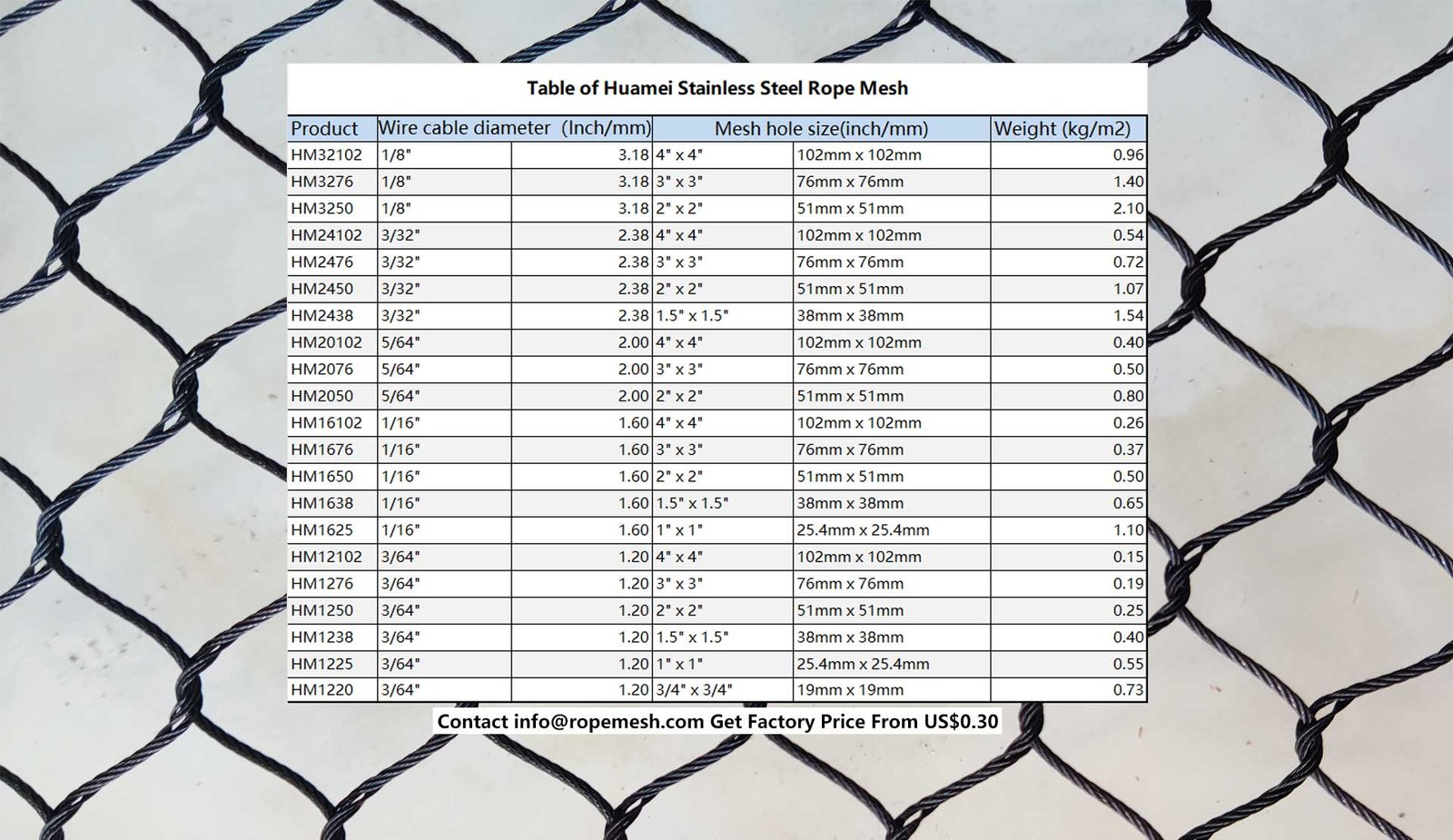
The cheapest farm fencing for cattle might save money upfront, but replacement costs add up fast. While barbed wire costs $1.50–$3.00 per linear foot, premium materials like stainless steel rope mesh offer a longer lifespan with minimal upkeep. When calculating how much farm fencing costs per acre, always factor in maintenance, repairs, and replacement over 10–20 years.
Specify our handwoven cable net for your next project and enjoy a one-time investment that lasts 30+ years.
Types of Farm Fencing: Pros, Cons, and Best Uses
Woven Wire Fencing
Woven wire is the workhorse of farm fencing. Its hinge-joint construction flexes under pressure and springs back, making it exceptionally durable for containing sheep, goats, and other livestock. Unlike welded wire, which breaks at the joints, woven wire withstands animal pressure and weather extremes.
High-Tensile Wire Fencing
For farmers asking what type of farm fencing is best for pigs or large perimeters, high-tensile wire delivers exceptional strength with minimal posts. It's the "set it and forget it" option—perfect for large acreages and areas with significant deer pressure.
Electric Fencing
Electric fencing is the gold standard for rotational grazing systems. Portable, cost-effective, and highly visible, it creates a psychological barrier that trains livestock to respect boundaries. It's also an excellent choice for farm fencing ideas for horse pasture safety—horses quickly learn to avoid electrified lines.
Barbed Wire Fencing
A traditional, cost-effective choice for docile cattle, barbed wire remains popular for perimeter farm fencing. However, it poses safety risks—animals can become entangled, leading to injuries. It's also less visually appealing and doesn't blend well with the landscape.
Stainless Rope Mesh
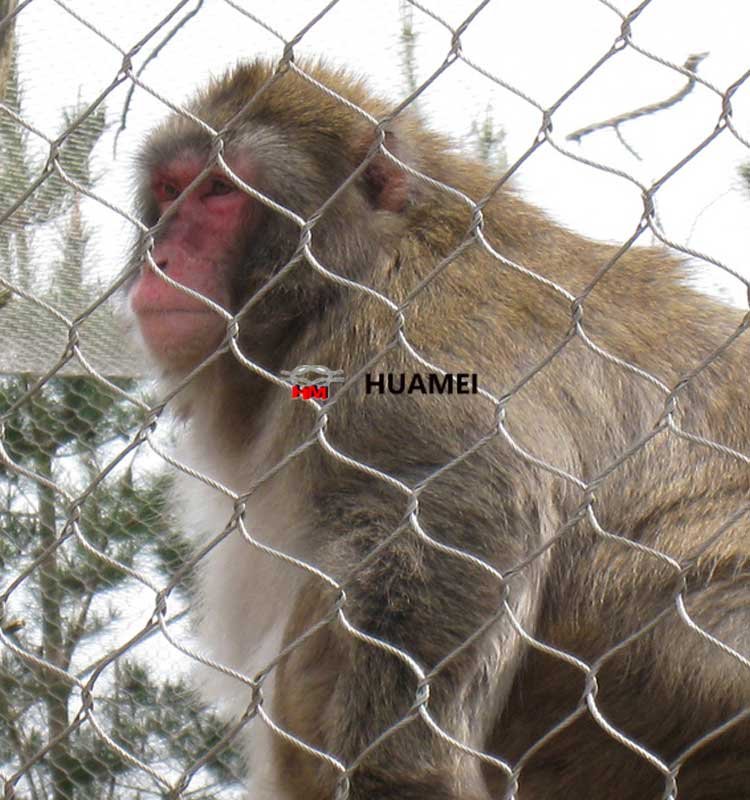
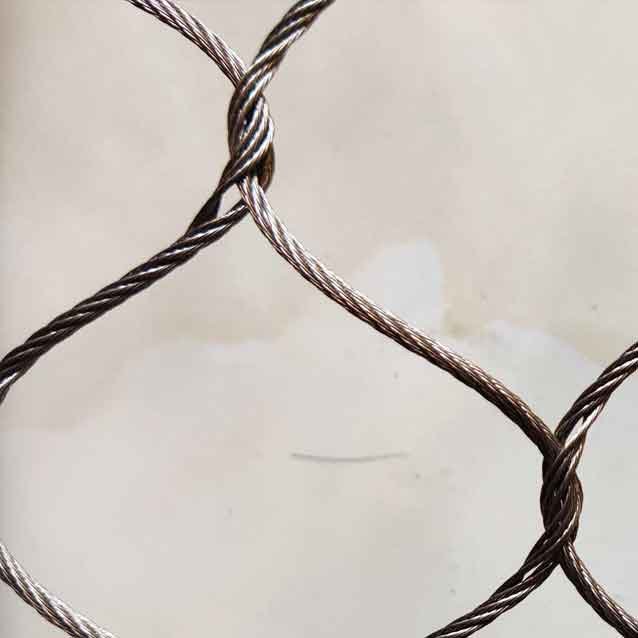
Stainless rope mesh is transforming agricultural fencing. Constructed from high-quality stainless steel wires in a woven design, it offers exceptional corrosion resistance and durability. Unlike wood, it doesn't rot; unlike barbed wire, it doesn't rust.
- Safety: The mesh design prevents entanglement, protecting livestock from injuries.
- Visibility: Animals can see through the fence, reducing stress and improving welfare.
- Low maintenance: Minimal upkeep—just periodic inspections.
- Aesthetic appeal: Sleek, modern appearance that blends with natural landscapes.
- Adaptability: Works on rocky, uneven, or flat terrain.
While the initial cost may be higher than barbed wire, how to choose farm fencing becomes clear when you consider long-term savings in maintenance and replacement.
Cost Considerations: How Much Does Farm Fencing Cost?
Cost Per Acre Breakdown
| Fencing Type | Cost per Linear Foot | Cost per Acre (approx.) | Lifespan |
|---|---|---|---|
| Barbed Wire | $1.50 – $3.00 | $1,250 – $2,500 | 10–15 years |
| Woven Wire | $3.00 – $6.00 | $2,500 – $5,000 | 15–20 years |
| High-Tensile | $2.50 – $5.00 | $2,000 – $4,200 | 20–30 years |
| Stainless Rope Mesh | $5.00 – $10.00 | $4,200 – $8,400 | 30+ years |
*Costs vary by terrain, labor, and regional pricing. Per-acre estimates based on a standard square acre (approx. 836 linear feet).
Factors Influencing Total Cost
Several factors affect how much farm fencing costs:
- Shape of the acreage: Irregular shapes require more fencing.
- Terrain: Rocky or hilly land increases installation labor.
- DIY vs. professional installation: Hiring contractors adds 30–50% to costs.
- Land clearing: Trees and brush must be removed before installation.
Installation and Maintenance Best Practices
Professional Installation vs. DIY
Installing farm fencing yourself saves money but requires the right tools: post hole diggers, fencing pliers, levels, and tensioning devices. For large operations, professional installation ensures proper tension and alignment—critical for longevity.
Essential Maintenance Tips
- Inspect twice yearly: Check for wear, damage, or loose connections.
- Tighten immediately: Fix loose wires or fittings promptly.
- Clean regularly: Remove debris to prevent dirt and rust buildup.
- Apply protective coatings: Use sealants on stainless steel if wear appears.
- Wear safety gear: Gloves and safety glasses protect during inspections.
Conclusion: Making the Right Fencing Decision for Your Farm
Choosing the right farm fencing comes down to three factors: your livestock, your land, and your budget. Match the fence to your animals—cattle need strength, goats need tight mesh, horses need visibility. Consider your terrain and climate—stainless rope mesh excels in challenging conditions. And look beyond upfront costs—premium materials save money over time.
For farmers seeking durability, safety, and low maintenance, stainless rope mesh stands out as a premier option. Its robust construction, corrosion resistance, and adaptability make it a smart investment for any agricultural operation.
Invest in quality farm fencing today—and protect your livestock, crops, and peace of mind for decades to come.
Ready to Upgrade Your Farm Fencing?
Get expert advice and a custom quote for stainless rope mesh fencing.
Get Your Free Quote Now →Frequently Asked Questions
What type of farm fencing is best for containing cattle?
For cattle, common and effective options include barbed wire, high-tensile wire, and cattle panels. High-tensile fencing is especially popular for large operations due to its durability and low maintenance. Many farmers also add an electric strand for additional deterrence.
How much does it cost to fence one acre of land?
Costs vary by material. For a standard square acre (approx. 836 linear feet), barbed wire ranges from $1,250–$2,500, while woven wire costs $2,500–$5,000. Premium options like stainless rope mesh range from $4,200–$8,400 but offer a 30+ year lifespan with minimal maintenance.
What is the best fencing for rotational grazing?
Electric netting is the single best tool for rotational grazing. It's portable, easy to set up, and acts as both a physical and psychological barrier. For permanent rotational systems, high-tensile electric fencing offers excellent longevity.
Is woven wire or welded wire better for farm fencing?
Woven wire is superior for livestock. Its hinge-joint construction allows it to flex under pressure and return to shape, making it more durable than welded wire, which can break at the joints.
How high should a farm fence be for horses?
For horse pastures, the recommended minimum height for a perimeter fence is 60 inches (5 feet), with 54 inches recommended for cross fencing within pastures. Visibility is critical—horses need to see the fence clearly to avoid running into it.
🔗 Related Applications
Zoo Enclosures | Aviary Mesh & Bird Netting | Wildlife & Deer Fencing | Exotic Bird & Peacock Cages | Safety & Industrial Netting | Architectural Cable Mesh
📖 Related Articles & Projects
- • Farming Fencing Supplies: Protection for Livestock and Crops
- • Enhancing Your Garden with Effective Barriers: A Comprehensive Guide — agricultural applications